Meme Coin Trading Lessons From a Top Solana Trader
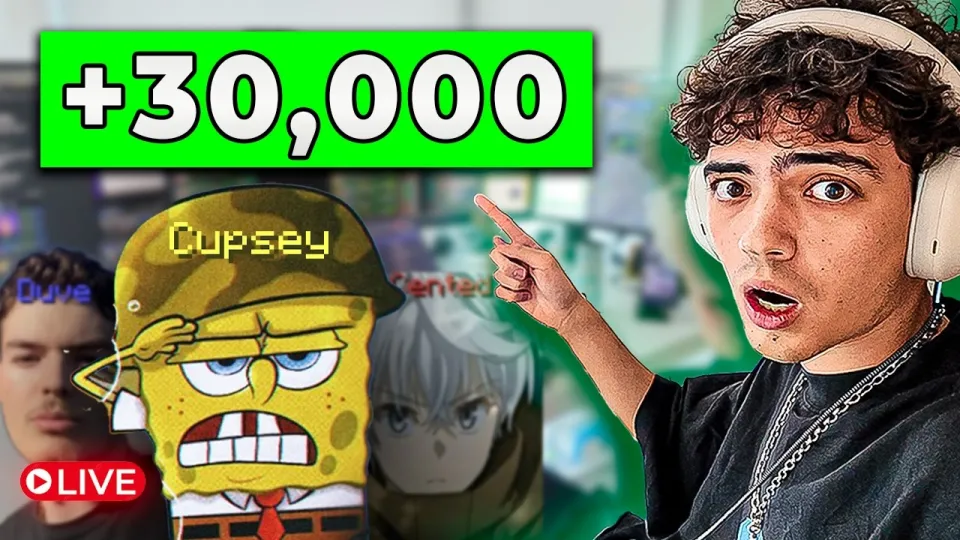
Video: I Traded With The World’s #1 Memecoin Trader
Need articles like this for your video? They help promote it on YouTube and Google — order them in the Telegram bot @sat_sit_bot. The bot writes and publishes the articles itself (with your YouTube video embedded) on popular topical websites (no ads). Your first 50 articles are free.
· based on the channel Ethan Prosper
Key takeaways
- A single session covered trades in Lobo, a 1% token, Cheese Coin, an AI Cook coin, Elon's Grok bot token and Mosaic AI, with reported results of roughly +200 SOL, +$15K and +80 SOL on individual plays.
- Trading was routed through the Padre terminal (trade.padre.gg), a Solana memecoin interface that bundles charts, execution and wallet tracking.
- The trader tracked a dev wallet (2fg5QD1eD7rzNNCsvnhmXFm5hqNgwTTG8p7kQ6f3rx6f) to follow insider activity on new launches.
- Reported gains of 350+ SOL in one sitting came from high-frequency entries on fresh pump.fun-style pairs, a style that requires 10+ hour screen days.
- Copy trading and 'faucet' wallet funding were among the viewers' main questions, alongside skepticism about multi-wallet manipulation.
A meme coin is a cryptocurrency whose value is driven mainly by community attention, internet culture and short-term speculation rather than by cash flow or protocol revenue. In practice, trading them means buying freshly launched Solana tokens on venues like pump.fun and selling into momentum, often within minutes. The session reviewed here, filmed by Ethan Prosper with a guest trader known as Cupsey, shows how that style works in real time through the Padre trading terminal, where new pairs are screened and executed.
What a meme coin actually is and why Solana dominates
A meme coin has no intrinsic valuation model; its price reflects the willingness of the next buyer to pay more. That makes liquidity, holder distribution and social momentum the only real fundamentals. Solana became the default home for this activity because transaction fees are fractions of a cent and block times are short, so a trader can enter and exit a new pair before the crowd on slower chains even sees it. Pump.fun accelerated the trend by letting anyone mint a token with a bonding curve and no upfront liquidity, which pushed launch volume into the thousands per day and turned scanning tools into the core skill of the niche.
Inside the session: trades, tickers and reported numbers
The recorded session moved through six distinct plays, each with its own logic. The first entries were Lobo and a token referred to as "1%", and the trader reported roughly +200 SOL across that opening sequence. From there the session shifted into Cheese Coin and an AI Cook token, then into a coin built around Elon Musk's Grok bot, where the reported result was about +$15K. A "Magic Internet Money" dev play and a Mosaic AI Cook position followed, with the latter described as roughly +80 SOL. The final trade closed the session. What matters for a viewer is not the dollar figures but the pattern: small, fast positions on tokens with an identifiable catalyst, scaled up only when the chart confirms demand.
The mechanics behind fast entries and exits
Speed trading on new pairs is a process, not a hunch. The workflow visible in these sessions follows a repeatable order:
- Scan for fresh launches with rising unique buyers and no obvious cluster of insider wallets.
- Check the dev wallet history — whether the creator has previously dumped on holders or launched serial rugs.
- Size the first entry small, treating it as a probe rather than a conviction bet.
- Add only after the price holds above the entry and volume expands.
- Take partial profit into the first vertical candle instead of waiting for a target that may never print.
Execution speed matters as much as analysis. Terminals such as Padre bundle charting, one-click buys and wallet tracking so a trader does not lose seconds switching tabs. Slippage settings, priority fees and MEV protection are part of the setup, not an afterthought — on a token with thin liquidity, a careless market order can fill far from the quoted price.
Wallets, faucets and copy trading explained
Watching a profitable wallet is the most common entry point for beginners, and it is also the most misunderstood. Copy trading a memecoin wallet means your buy lands after theirs, at a worse price, and you inherit their exit risk without their information. The dev wallet followed in this session illustrates the point: tracking it reveals where insider supply is moving, but it does not tell you when the creator will sell. "Faucets" in this context usually refers to small starter funds — testnet drips, referral credits or community handouts — that traders use to fund a fresh wallet for gas and a first position; they are not a business model.
What the audience gets right and wrong
The skepticism in the comments is largely justified. One of the most-liked responses argues that the traders on screen are the same people running multiple wallets and dumping on retail, and that is a fair description of how insider supply works on many launches. Another popular comment notes that the operators are full-time speed traders putting in ten-hour days on new pairs, and that this is the hardest possible style — not the only one. Both points deserve weight. The gains shown are real for the people making them, but they come from an edge built on infrastructure, screen time and risk tolerance that most viewers do not have. A slower approach — larger, more established tokens, longer holding periods, position sizing that survives a 70% drawdown — is a legitimate way to participate without competing against bots.
Practical risk rules for anyone trying this
Treat every memecoin position as money you can lose entirely, because most of these tokens go to zero. Keep individual positions small relative to your portfolio, never add to a losing trade hoping for a bounce, and decide your exit before you enter. Verify contract addresses rather than trusting tickers, since impersonation tokens are routine. Avoid leverage and borrowed funds, and remember that a wallet holding hundreds of SOL in profit is a target for phishing links and fake airdrops. The traders in these sessions survive because they cut fast; the viewers who lose are usually the ones who hold and hope.
Useful links
- Padre terminal registration and trading access
- Ethan Prosper's links and resources
- Cupsey on X
- SOLMAFIA free Discord
- Pastel paid community
Final thoughts
The value of this session is not the profit figures but the discipline on display: defined entries, quick partials, and a refusal to marry a position. Ethan Prosper's channel frames it as an inside look at how the top end of Solana memecoin trading operates, and that framing is accurate — this is a specialist's workflow, not a beginner's roadmap. If you want to test the tools yourself, start with a Padre account, paper-trade the process first, and only risk capital you are prepared to write off.
Questions & answers
How much capital do you need to start trading meme coins?
You can open a position with a fraction of a SOL, but that is not the real constraint. The binding limits are fees, slippage and the number of attempts you can afford before a winner lands. Practically, most people need enough capital to take twenty or thirty small positions without it changing their life, and they should expect most of those to fail.
Is copy trading a profitable meme coin wallet a good strategy?
It carries structural disadvantages. Your entry always fills after the wallet you follow, usually at a higher price, and you have no visibility into when they exit. Copy trading can work as an idea filter if you then do your own contract and holder checks, but blindly mirroring trades typically transfers the risk without the edge.
What does 'faucet' mean in crypto trading?
A faucet is a small source of free or starter funds — a testnet drip, referral credit or community handout — used to fund a fresh wallet for gas and a first trade. It is a way to get started with minimal capital, not a reliable income source, and many faucet-style offers are scams.
Do I have to trade new pairs all day to make money in meme coins?
No. Speed trading fresh launches is the most demanding style in the niche and requires full-time screen attention plus fast infrastructure. Slower approaches on larger, more liquid tokens with defined position sizing and longer holds are a legitimate alternative, and they are far more compatible with a normal schedule.
Source: I Traded With The World’s #1 Memecoin Trader · Markdown version