Solana Token Launch and Rug Pull Risks Explained
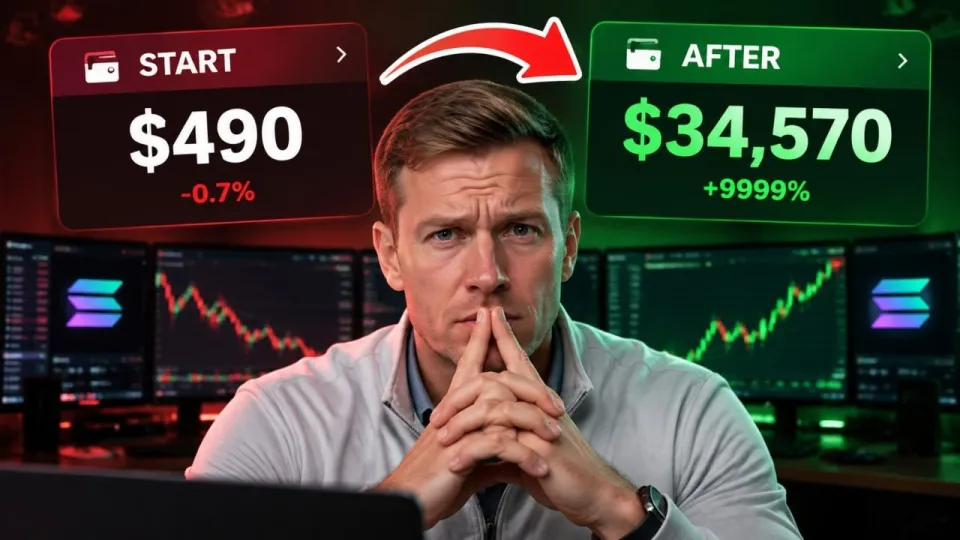
Video: Rug Pull Strategy: Solana Token Launch & Rug Pull Risks
· based on the channel TU ANDROID. COM
Key takeaways
- Solana meme coins are typically launched via platforms that create an SPL token and an initial liquidity pool in minutes.
- A rug pull usually means the deployer removes liquidity, mints unlimited tokens, or dumps a large pre-allocated supply.
- Mint and freeze authorities left enabled let a developer create new tokens or block holders from selling.
- Checking liquidity locks, holder distribution, and developer wallet activity is the core of due diligence.
- The video review by TU ANDROID. COM walks through launch mechanics and the warning signs of high-risk projects.
A Solana token launch is the process of creating an SPL token and seeding a liquidity pool so it can be traded, usually on a decentralized exchange. Because the network is fast and cheap, anyone can launch a token in minutes, which also makes Solana a favorite environment for rug pulls. The educational breakdown from the TU ANDROID. COM channel, "Rug Pull Strategy: Solana Token Launch & Rug Pull Risks," examines how these launches work and what investors should check; the platform referenced in that video is available at funrug.cc.
What a Solana token launch actually involves
A Solana token launch starts with an SPL token mint, then moves to liquidity and trading. On Solana, a standard launch follows a few recognizable steps:
- Create the SPL token mint, which defines the supply and decimals.
- Optionally create a metadata account so the token has a name, ticker, and logo.
- Mint the initial supply to a wallet, often split between the deployer, the liquidity pool, and marketing wallets.
- Create a liquidity pool on a DEX such as Raydium or an equivalent automated market maker, pairing the new token with SOL or USDC.
- Optionally burn LP tokens or lock them to signal that liquidity cannot be pulled immediately.
The speed is the point. A token can go from an empty mint to a live chart in minutes, and the same tooling that makes this convenient also makes it easy to configure a launch that looks safe but is not. That is why the mechanics matter more than the branding.
Why rug pulls happen and how they are executed
A rug pull is an exit scam in which the people behind a token extract value from buyers and abandon the project. The most common variants on Solana are:
- Liquidity removal: the deployer holds the LP tokens, then withdraws the pooled SOL, leaving holders with a token that has almost no market.
- Mint authority abuse: if the mint authority is still active, the developer can mint unlimited new tokens and sell them into the pool.
- Freeze authority abuse: if the freeze authority is active, the developer can freeze holder accounts so they cannot sell.
- Pre-allocated supply dump: a large share of the supply sits in insider wallets that sell into early buying pressure.
Automated bots make this faster. Sniper bots buy in the first blocks after a pool opens, and deployers can use similar automation to sell at a chosen moment. The result is a chart that looks like organic growth for a few minutes and then collapses. Understanding this sequence is the practical core of rug pull strategy: not how to run one, but how to recognize the setup before it completes.
Warning signs to check before buying any new token
Before interacting with a new Solana token, verify contract permissions and on-chain behavior rather than trusting the pitch. A useful checklist:
- Mint authority: is it revoked? If not, the supply can be inflated at any time.
- Freeze authority: is it revoked? If not, your tokens can be frozen.
- Liquidity lock: are the LP tokens burned or locked, and for how long? An unlocked pool can be drained in one transaction.
- Holder distribution: do a few wallets control most of the supply? Concentrated holdings mean concentrated sell pressure.
- Developer wallet activity: has the deployer wallet sold, moved funds, or funded many other tokens?
- Social footprint: is there a real community, or only paid promotion and copied branding?
None of these checks is conclusive on its own. A token with a locked pool can still fail, and a token with revoked authorities can still be abandoned. The point is to remove the obvious traps before risking capital.
How to evaluate a new meme coin without relying on hype
Evaluating a new meme coin is a risk assessment, not a prediction of price. Start with the contract: check the mint and freeze authorities, the supply, and whether the deployer wallet still holds a large allocation. Then look at the pool: how much liquidity is there, who provided it, and is it locked. After that, look at the wallets buying and selling, especially the first buyers, because sniper and insider wallets often define the early chart.
Hype is not evidence. Large promises, influencer promotion, and rapid price movement can all be manufactured at low cost. A more reliable signal is whether the project survives the first few hours without the deployer or top wallets dumping. If the same wallet has launched several tokens that died quickly, that history is more informative than any roadmap.
Common questions from traders about Solana launches
Traders watching this kind of breakdown tend to raise the same practical concerns. One is fees: launching and trading involve network fees, pool creation costs, and DEX fees, which matter more when liquidity is thin. Another is bots: automated traders can buy and sell faster than a human, so retail entries often happen at worse prices. A third is tooling: launch platforms lower the technical barrier, but they do not remove the structural risks of a new token. Finally, there is the question of what beginners overlook most often. In practice, it is usually the mint and freeze authorities, because those settings are invisible on a price chart and can override everything else.
Key takeaways for safer Solana trading
Solana token launches are permissionless, fast, and cheap, which makes them genuinely useful and genuinely dangerous. The mechanics of a rug pull are not hidden: unlocked liquidity, active mint or freeze authorities, and concentrated insider supply are the recurring patterns. Checking those three things before buying removes the most common ways to lose money on a new token. The review by the TU ANDROID. COM channel is a useful starting point for understanding how these launches are structured and why automated trading makes the window so short. If you want to explore the launch tooling discussed in that video, you can start at funrug.cc and review the mechanics yourself before committing any funds.
Questions & answers
What is a Solana token launch?
A Solana token launch is the creation of an SPL token mint followed by a liquidity pool so the token can be traded on a decentralized exchange. It can be done in minutes using launch platforms, which is why the barrier to entry is so low. The speed also means risks appear quickly, so contract checks matter.
How do rug pulls work on Solana?
Most rug pulls remove liquidity from the pool, mint additional tokens through an active mint authority, or dump a large pre-allocated supply. Some use a freeze authority to stop holders from selling. All of these leave buyers with a token that has little or no market.
Which warning signs do beginners most often overlook?
Beginners usually focus on price and social hype while ignoring mint and freeze authorities. If either authority is still active, the developer can inflate the supply or freeze your account. Locked liquidity and holder distribution are the next most important checks.
Is a locked liquidity pool enough to make a token safe?
No. A liquidity lock reduces one specific risk, but it does not prevent insider wallets from selling, nor does it guarantee the project will continue. You still need to check supply distribution, developer wallet history, and whether the token has real activity beyond promotion.
Source: Rug Pull Strategy: Solana Token Launch & Rug Pull Risks · Markdown version